Email: hp@hpfluid.com Tel: 0086-18019736555
Email: hp@hpfluid.com Tel: 0086-18019736555
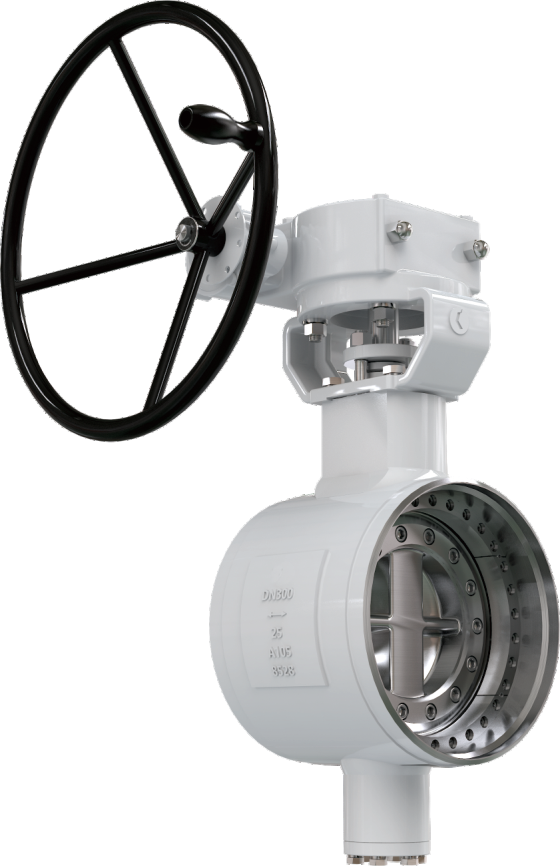
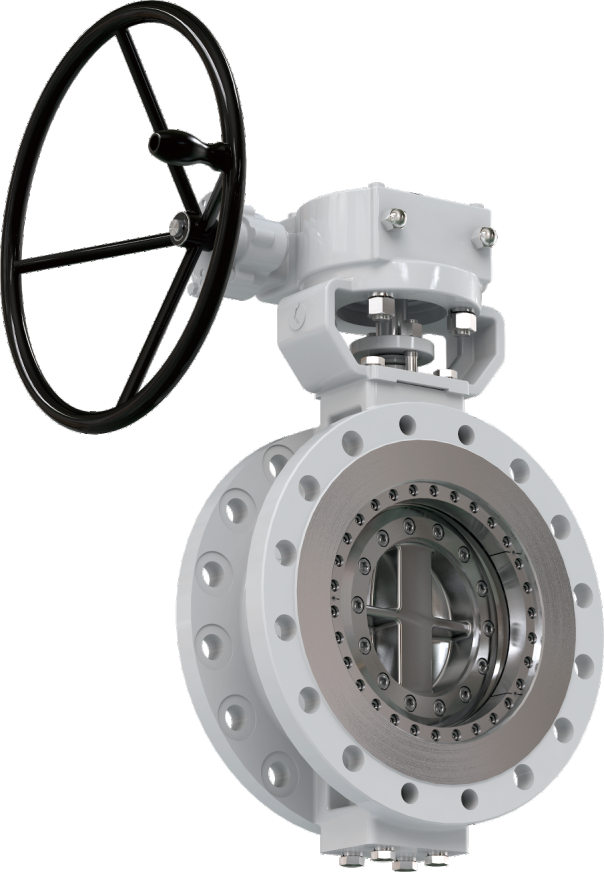
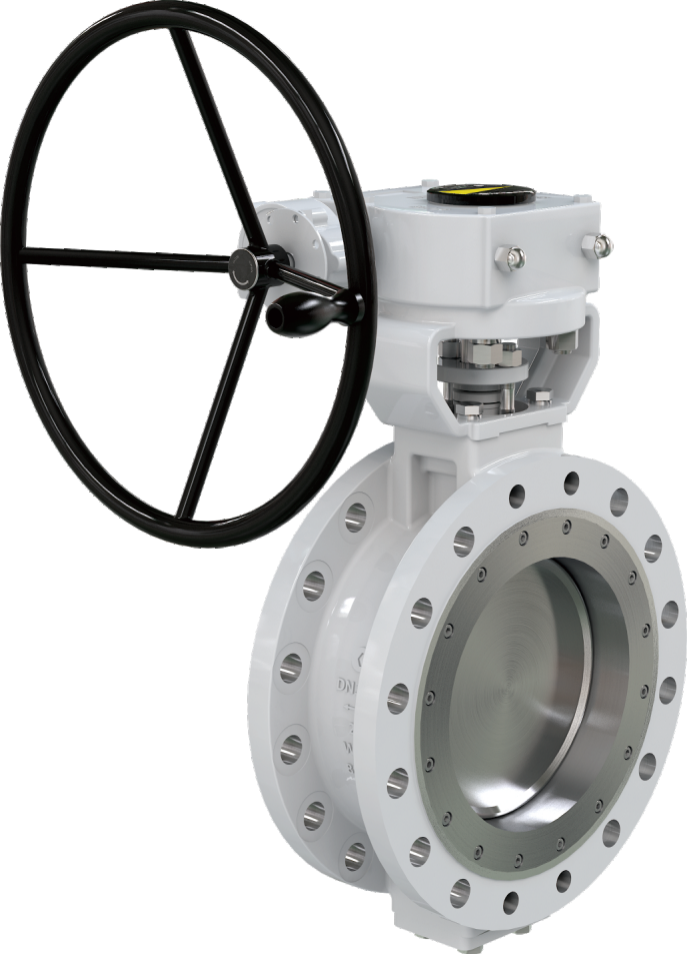
Triple eccentric butterfly valve features bi-directional sealing with zero leakage and low operating torque.
The metal seal seat enables the valve to perform in various severe working conditions.
Its eccentric design allows the sealing pair to disengage instantly when the valve opens, minimizing seat friction and greatly extending service life.
The valve also has inherent fire-safe properties and is widely used for isolation and regulation of fluids in pipelines.
Our triple eccentric butterfly valves adopt an eccentric design and comply with API 609.
Main Butterfly Valve Series
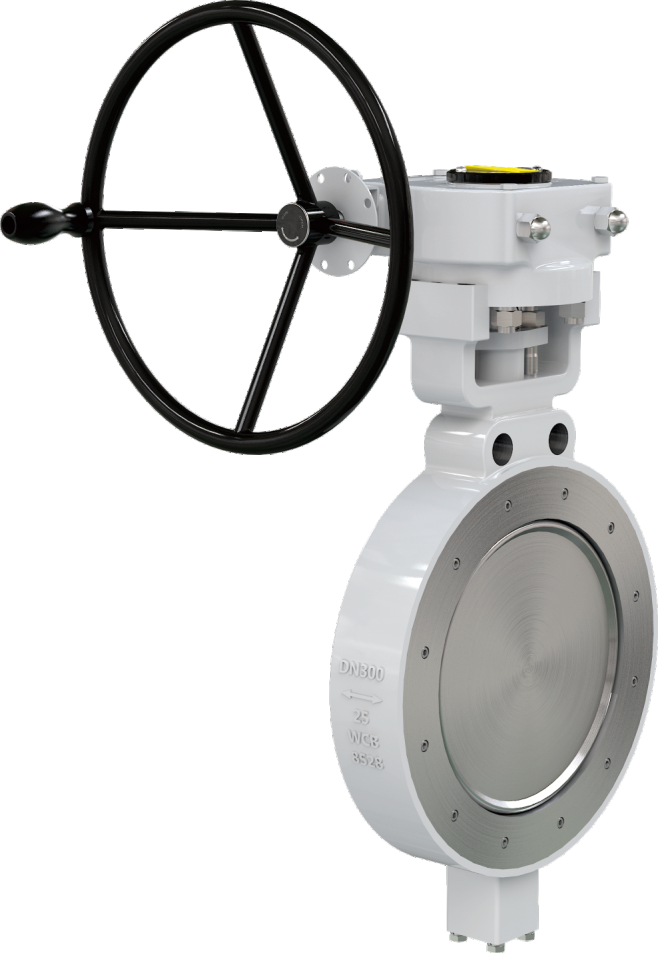
High-temperature, low-temperature, high-pressure bi-directional triple eccentric all-metal hard-seal butterfly valves and high-performance double eccentric butterfly valves.
Size: DN80–3000 (NPS 3"–120")
Pressure Rating: PN6–PN100, Class 150–1500LB
Triple eccentric butterfly valve features bi-directional sealing with zero leakage and low operating torque.
The metal seal seat enables the valve to perform in various severe working conditions.
Its eccentric design allows the sealing pair to disengage instantly when the valve opens, minimizing seat friction and greatly extending service life.
The valve also has inherent fire-safe properties and is widely used for isolation and regulation of fluids in pipelines.
Our triple eccentric butterfly valves adopt an eccentric design and comply with API 609.
High-temperature, low-temperature, high-pressure bi-directional triple eccentric all-metal hard-seal butterfly valves and high-performance double eccentric butterfly valves.
Size: DN80–3000 (NPS 3"–120")Pressure Rating: PN6–PN100, Class 150–1500LB
Short face-to-face dimension, lightweight design to reduce pipeline support requirements.
The disc self-cleans media during opening and closing, improving sealing performance.
Knife-type disc facilitates shut-off and deslagging, ensuring smooth operation without jamming.
Wedge limit block provides stable sealing force for reliable sealing.
Guide pins ensure accurate alignment and stable operation.
Wear-resistant bushings of different materials are available upon request to extend service life.
Flexible selection of actuators.
Contact: LISA.YU
Phone: 0086-18019736555
Tel: 0086-18019736555
Email: hp@hpfluid.com
Add: No.999,zhongqiang Road,Maogang Industrial Zone,Songjiang District,Shanghai,China